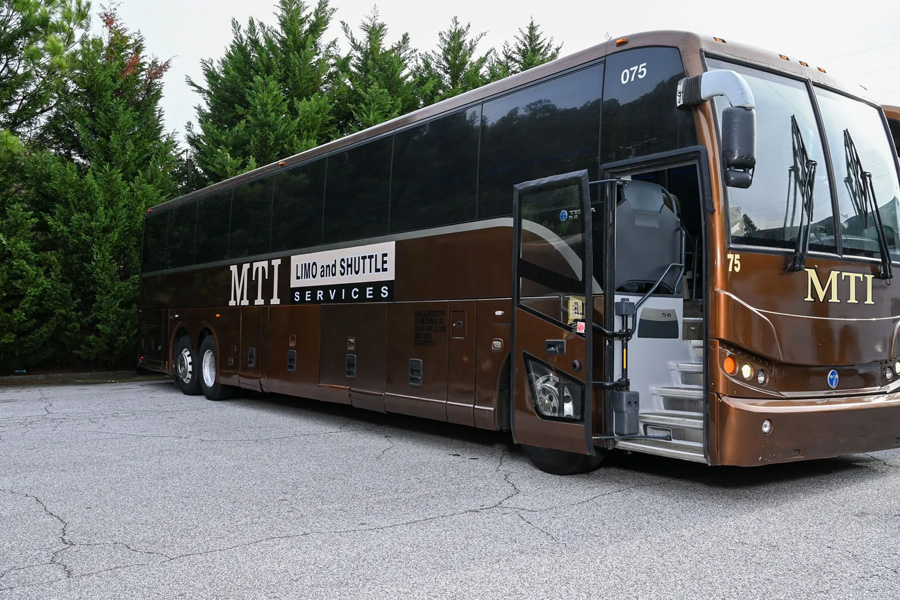
Image Source: www.mtilimos.com
As the demand for group transportation continues to grow, the charter bus industry finds itself at the centre of a major environmental transformation. Businesses, schools, and event organisers are increasingly aware of the environmental impact of their travel choices, driving a shift toward cleaner, more efficient transportation methods. In the middle of this changing landscape, charter bus booking has evolved into not just a matter of logistics and convenience, but also a reflection of environmental responsibility and forward-thinking fleet management.
One of the primary drivers behind this movement is the introduction of low-emission and electric-powered buses. Operators across the industry are investing in modern fleets that comply with the latest Euro 6 emission standards, significantly reducing nitrogen oxide and particulate emissions. Some companies are also beginning to test hybrid and fully electric models, which deliver near-silent operation and zero tailpipe emissions—ideal for urban environments and short-distance charters. These advances demonstrate a clear commitment to making group travel more sustainable without compromising comfort or reliability.
Beyond vehicle technology, fuel efficiency remains a key focus area. Even traditional diesel coaches have become cleaner and more economical thanks to advancements in engine design, aerodynamics, and energy recovery systems. The use of biodiesel and alternative fuels such as compressed natural gas (CNG) has further reduced the carbon footprint of modern charter fleets. For longer journeys, these improvements translate into measurable reductions in emissions per passenger kilometre, making charter buses one of the most environmentally friendly modes of group transport available today.
Sustainability also extends to operational practices. Many charter companies now use intelligent route-planning software to minimise idle time, avoid traffic congestion, and optimise mileage. Fleet telematics systems monitor driving behaviour, allowing operators to train drivers in fuel-efficient techniques that save both energy and cost. Regular vehicle maintenance ensures optimal performance, reducing waste and prolonging vehicle lifespan. Together, these efforts not only cut emissions but also improve overall service reliability.
Passengers themselves play a role in supporting this transition. By choosing group travel over multiple individual vehicles, organisations can drastically reduce their collective carbon output. A single full coach can remove up to 50 cars from the road, easing congestion and cutting emissions significantly. When multiplied across thousands of journeys each year, the environmental benefit becomes substantial—demonstrating how small decisions in travel planning can have far-reaching effects.
The future of sustainable charter bus travel looks promising. Industry trends point toward greater adoption of electric and hydrogen fuel-cell technology, supported by expanding charging infrastructure and government incentives. As more companies commit to green initiatives, the perception of bus travel is shifting from a simple necessity to a conscious, eco-friendly choice.
Ultimately, the move toward sustainability is reshaping the entire charter bus sector—from the vehicles themselves to the way trips are planned, booked, and managed. By embracing innovation and efficiency, the industry is proving that greener journeys aren’t just possible—they’re already on the road.