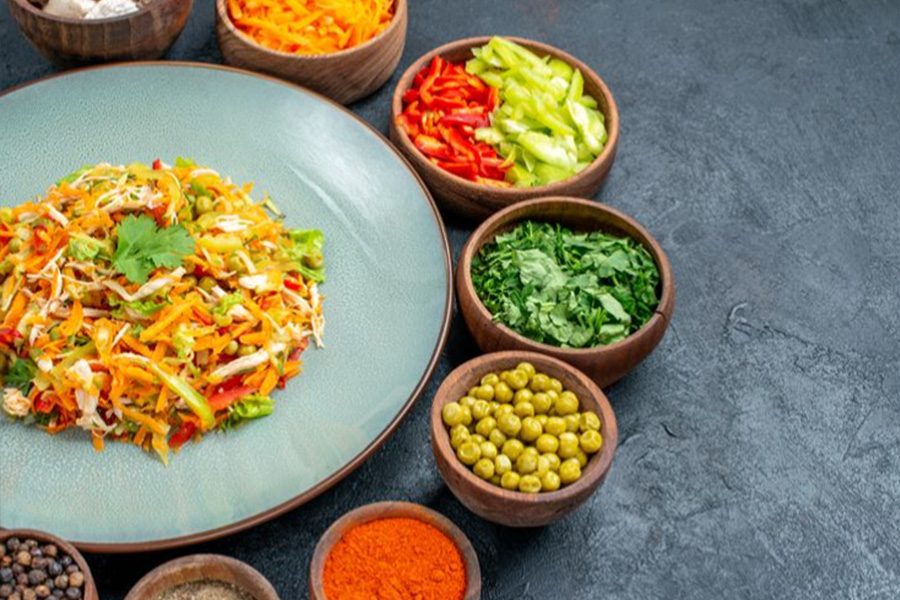
Indian cuisine attracts diners who want layers of flavour, comforting textures, and meals that feel hearty without relying on processed ingredients. Many people discover the health benefits of Indian food as they explore dishes that utilise natural spices, plant-forward combinations, and slow-cooked methods that preserve nutrients. The cuisine offers variety for people seeking lighter meals, richer meals, or balanced everyday dishes. Understanding why Indian food’s health benefits matter helps diners make choices that satisfy both taste and wellness goals.
1. Whole Ingredients That Support Balanced Eating
A major reason Indian food’s health benefits appeal to diners is the cuisine’s reliance on whole ingredients. Vegetables, beans, lentils, and grains are commonly found in everyday dishes, providing fibre, vitamins, and long-lasting energy. Staples such as dal, sambar, and vegetable curries create meals that feel filling without being overly heavy. These dishes often combine ingredients like tomatoes, spinach, cauliflower, or okra, which supply nutrients in their natural form.
Chapati, basmati rice, and millet-based breads give diners carbohydrate options that vary in texture and nutritional value. Many families prefer whole wheat chapati because it digests slowly and keeps energy levels steady. Lentils offer protein and support digestion, making them a practical choice for people seeking healthier daily meals. These whole ingredients demonstrate why people searching for Indian food’s health benefits include lentil dishes and vegetable curries in their routine.
2. Spices With Natural Functional Properties
Spices play an important role in Indian cooking and contribute to many of the health benefits. Turmeric, cumin, ginger, coriander, and fenugreek appear in countless home-cooked dishes. These spices offer natural functional properties that support digestion and overall wellness. Turmeric, for example, contains curcumin, a compound known for supporting the body’s natural anti-inflammatory processes. Ginger helps ease digestive discomfort, while cumin can support nutrient absorption.
Many Indian dishes use spices in small but consistent amounts, making the benefits easy to incorporate into daily meals. For example, a simple vegetable curry may contain a blend of turmeric, cumin, and coriander that enhances flavour while helping the body process food more comfortably. These spices work well together, and their aroma helps stimulate appetite and enjoyment.
3. Cooking Methods That Preserve Nutrients And Flavour
A range of cooking techniques are used in Indian cuisine to promote better eating. Slow simmering, steaming, dry roasting, and minimal sautéing help preserve nutrients while developing deep flavours. Dishes such as dals, stews, and braised vegetables retain their nutritional value because they cook gently and absorb spices evenly.
Many households rely on pressure cooking for lentils and beans, reducing cooking time while keeping textures soft and digestible. Steaming appears in dishes such as idlis and dhokla, where batter ferments naturally before being cooked without oil. These methods demonstrate how Indian food health benefits extend beyond individual ingredients to the way meals are prepared.
4. Plant-Forward Meals That Offer Satisfying Variety
There are many plant-based meals in Indian cuisine to suit a variety of palates and dietary requirements. Many people who explore Indian food health benefits appreciate how easily the cuisine supports vegetarian or flexitarian diets. Lentils and chickpeas help individuals who choose plant-only meals, while paneer dishes provide protein for those who seek dairy-based options.
Vegetable-based dishes such as aloo gobi, palak paneer, chana masala, and bhindi masala provide flavourful alternatives to meat-centric meals. Vegetables and spices are combined in these recipes to create rich flavours without being overly fatty. The balance of textures, colours, and aromas makes plant-forward eating enjoyable and sustainable.
Conclusion
Indian cuisine continues to attract diners who value flavour and nourishment in equal measure. The focus on whole ingredients, functional spices, gentle cooking methods, and plant-forward options helps explain why Indian food’s health benefits appeal to people seeking balanced meals. These qualities make the cuisine suitable for daily enjoyment while supporting long-term wellness goals.
Visit Taste of SG to learn more about meals that showcase the health advantages of Indian cuisine and find suggested locations to sample them in Singapore.