For decades, packaging lines have relied on plastic tape dispensers that do little more than apply a sticky strip. The water activated tape machine changes that equation entirely. It doesn’t just seal boxes; it transforms how businesses think about sustainability, security, and throughput. Born as a direct answer to the limitations of traditional tape guns, this equipment uses plain water to activate a starch-based adhesive on kraft paper, creating a bond that actually fuses with the carton material itself. It’s a fundamental shift from temporary stickiness to permanent, tamper-evident sealing that also happens to be fully recyclable.
Why the Shift Is Happening Now
The packaging industry has reached a turning point. Retailers and logistics providers face mounting pressure from both regulators and consumers to abandon single-use plastics. The water activated tape machine directly addresses this challenge by using 100% recyclable materials that don’t contaminate cardboard recycling streams. Unlike plastic tape, which often has to be removed before recycling, gummed paper tape goes through the recycling process along with the box. Companies using this technology report not only cleaner sustainability metrics but also genuine operational advantages: stronger seals mean fewer returns due to damaged or opened packages, and automated dispensers eliminate the guesswork and wasted tape common with manual methods.
How Modern Dispensers Actually Work
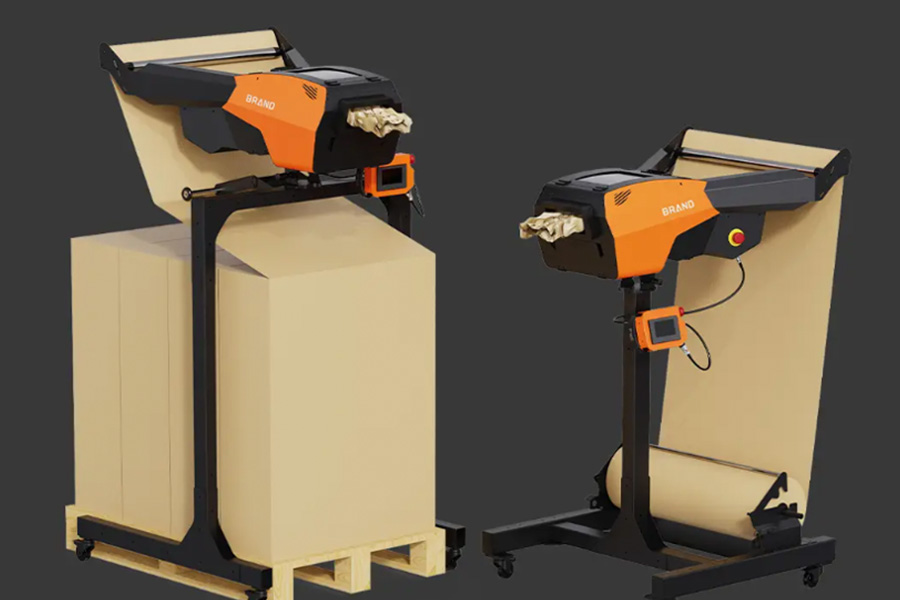
The latest water activated tape machine models, such as the NT-AT 3.0, are a far cry from the simple wet-sponge devices of the past. They incorporate sensor technology that detects when an operator’s hand is present, delivering tape at speeds up to 60 meters per minute without requiring a button to be pressed. A built-in heating element warms the water to ensure consistent adhesive activation regardless of the warehouse temperature. The user can program multiple preset lengths from 15 to 210 centimeters, accommodating everything from small e-commerce parcels to large industrial cartons. These features combine to improve packaging efficiency by roughly 20 percent, according to real-world deployment data.
Real-World Applications Across Industries
The versatility of the water activated tape machine makes it valuable across a broad spectrum of operations. In e-commerce fulfillment centers, where order volumes fluctuate wildly, the ability to rapidly switch between tape lengths and maintain consistent seal quality keeps packing stations running smoothly. Industrial manufacturers dealing with heavy or oddly shaped goods value the tape’s shear strength—once bonded, the seal actually becomes part of the box structure. Electronics companies appreciate that the activation process doesn’t generate static electricity, while cold chain operators rely on the adhesive’s performance across temperature extremes that would compromise traditional tapes.
The YJNPACK Difference in Manufacturing and Support
When evaluating a water activated tape machine, the manufacturer’s track record matters as much as the machine’s features. YJNPACK (Xiamen LinkAir Technology Co., Ltd.) brings over fifteen years of focused experience in protective packaging equipment. Since establishing their comprehensive operation in 2015—encompassing R&D, production, sales, and after-sales service—they’ve built an 8,000-square-meter plant staffed by more than 100 skilled technicians. Their monthly capacity of 1,500 units reflects a mature production system capable of consistent quality and reliable delivery. The company offers OEM customization options, allowing distributors to add their branding or tailor machine functions for specific regional needs. With CE and FSC certifications and exports reaching over 100 countries, YJNPACK provides the global reach and local support that businesses require for long-term partnerships.
What to Consider Before Purchasing
Choosing the right water activated tape machine depends on understanding your specific workflow. For low-volume operations or occasional use, a manual handheld dispenser offers simplicity and portability without installation. Medium-volume packers typically benefit from electric models with preset length options that standardize sealing across different box sizes. High-volume operations, particularly those with fluctuating carton dimensions, should consider sensor-activated models with programmable multiple-length memory. Also evaluate the machine’s water reservoir capacity and heating capability, especially if your facility is in a colder climate. A 1-liter heated container, for example, ensures consistent activation even during winter months, preventing sealing failures.
Conclusion
The water activated tape machine represents more than an equipment upgrade; it signals a strategic commitment to sustainability without sacrificing productivity. As global regulations tighten and consumer expectations evolve, the choice of sealing method has become a visible part of a company’s environmental responsibility. With reliable manufacturers like YJNPACK providing robust equipment, customization flexibility, and comprehensive support, transitioning to water-activated tape has never been more accessible. Whether you’re a packaging distributor looking to offer a competitive edge to your clients, or a business seeking to green your operations while improving seal integrity, this technology offers a proven path forward.