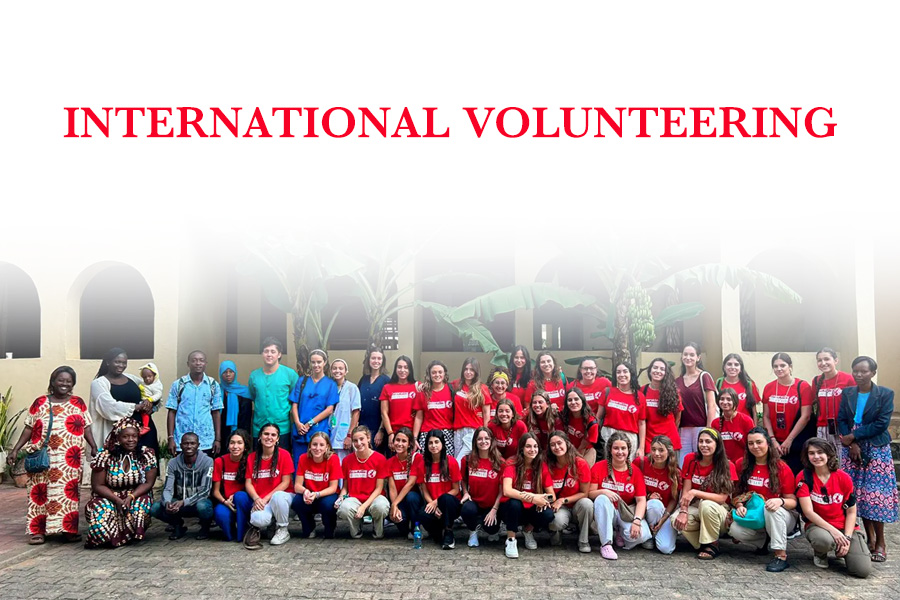
Image Source: www.cooperatingvolunteers.com
International volunteering has become one of the most valuable ways to travel with purpose, gain new skills, and contribute to communities around the world. Instead of choosing a traditional holiday, many people now prefer experiences that allow them to connect with local cultures and participate in projects that create a positive impact. For students, professionals, and travelers looking for something more meaningful, international volunteering offers an opportunity to grow personally while helping others, as do the travel agency cooperating volunteers with several destinies as voluntariado en el extranjero.
One of the reasons international volunteering continues to grow in popularity is that it combines travel and purpose in a unique way. Volunteers do not just visit a country for a few days and leave with photos. They become part of a project, work with local teams, and gain a much deeper understanding of the destination. This creates a richer and more authentic experience than conventional tourism, especially for people who want their time abroad to have value beyond leisure.
There are many types of international volunteering opportunities available today. Some programs focus on education, where volunteers help children or young adults improve language, literacy, or academic skills. Others are dedicated to environmental protection, wildlife conservation, reforestation, or marine projects. Community development is also a common area, with initiatives related to housing, sanitation, food support, or women’s empowerment. Because of this variety, international volunteering can suit many interests and backgrounds.
Another important benefit of international volunteering is the personal development it encourages. Living in a new country often requires flexibility, patience, and strong communication skills. Volunteers are exposed to different customs, values, and ways of life, which helps them become more open-minded and adaptable. These experiences can build confidence, independence, and resilience. At the same time, participants often improve practical skills such as teamwork, leadership, time management, and intercultural communication.
For younger people, especially students and recent graduates, international volunteering can also enhance their academic and professional profile. Employers and universities increasingly value people who have international experience and who demonstrate initiative, responsibility, and social awareness. Taking part in a volunteer program abroad shows a willingness to learn, engage with others, and contribute to something meaningful. It can also help individuals discover new career interests or confirm existing goals.
At the same time, international volunteering is not only for young travelers. Many adults choose volunteer projects abroad during career breaks, sabbaticals, or personal transitions. Some want to escape routine and do something more fulfilling with their time. Others simply want to experience another country in a more human and immersive way. In both cases, volunteering internationally can be emotionally rewarding because it allows people to feel useful while building genuine connections.
However, it is essential to choose the right international volunteering program. Ethical volunteering should always be the priority. A good organization works closely with local communities, understands real needs, and creates projects that are sustainable over time. Responsible international volunteering is not about outsiders taking control. It is about collaboration, respect, and supporting local efforts in a useful and appropriate way. Before joining any program, it is important to research the organization, understand its mission, and ask how the community benefits.
Another key point is to be realistic about the role of a volunteer. In some projects, motivation and commitment are enough. In others, specific training or qualifications may be necessary. This is particularly true in fields such as healthcare or education. Responsible organizations are clear about expectations and provide guidance so volunteers understand how to contribute effectively. The best international volunteering experiences happen when participants arrive with humility, curiosity, and a willingness to learn.
Destinations for international volunteering are incredibly diverse. Africa remains a popular region for conservation, education, and community projects. Latin America attracts volunteers interested in social programs, teaching, and environmental initiatives. Asia offers many opportunities related to culture, sustainability, and public health. Europe can also be a good option for those looking for shorter or more accessible volunteer experiences. The best destination depends on the volunteer’s interests, budget, language preferences, and the kind of impact they want to support.
Cost is often an important consideration when planning international volunteering. Some programs are free, but many involve fees. These usually cover accommodation, meals, transport, local coordination, training, and support for the project itself. Paying for a volunteer program does not automatically make it unethical, but transparency is essential. Reputable organizations explain clearly what is included and how the money is used. Anyone considering international volunteering should look for honesty, structure, and evidence of real community benefit.
Preparation is also a vital part of a successful volunteer experience. Before traveling, participants should learn about the local culture, climate, language, and customs. They should also check visa requirements, health recommendations, and safety guidance. Even small efforts, such as learning basic local phrases, can improve the experience and show respect for the host community. Good preparation helps volunteers adapt more easily and contribute more effectively.
Today, many people are searching for travel experiences that offer more than entertainment. They want purpose, connection, and a chance to see the world from a different perspective. That is exactly why international volunteering continues to attract people from all backgrounds. It allows travelers to step outside their usual environment, support meaningful initiatives, and return home with stronger skills, wider perspectives, and lasting memories.
In the end, international volunteering is about exchange. It is about giving time and energy, but also about receiving knowledge, perspective, and human connection in return. When approached responsibly, it can be a powerful experience for both the volunteer and the local community. For anyone who wants to travel with meaning and make their journey more impactful, international volunteering is an option worth exploring.